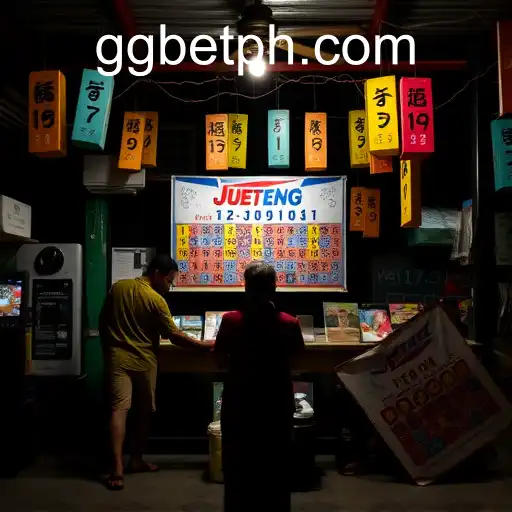
Understanding Jueteng and Its Impact on Society
Jueteng is a form of illegal gambling in the Philippines that has persisted over the centuries, deeply embedded in the socio-cultural fabric of the country. Originating during the Spanish colonial period, it has evolved beyond a mere game of chance to become a multitude of complex societal issues, entangling numerous aspects of community life.
The Mechanics of Jueteng
Jueteng is a numbers game, simple yet highly effective in luring participants. Players choose a combination of two numbers ranging from 1 to 37, and the winning combination is drawn randomly. The payoff for the winner is substantial compared to the meager bet, which makes Jueteng attractive to many Filipinos, particularly those in lower-income groups.
Despite its illegal status, Jueteng thrives largely due to the lack of viable economic opportunities in many parts of the Philippines. The allure of a quick win offers a sliver of hope for better financial conditions. As such, Jueteng has become an integral part of social activities in many communities.
Jueteng and Its Social Implications
The pervasive nature of Jueteng has significant social implications. It is often perceived as a social equalizer, where those from various socioeconomic statuses participate in hopes of improving their financial standing. However, it leads to numerous adverse consequences.
Primarily, Jueteng perpetuates a cycle of poverty. Participants, often from marginalized communities, spend a significant portion of their disposable income on betting rather than saving or investing in more sustainable endeavors. This betting behavior, although driven by the hope of financial gain, is often detrimental in the long run.
The Economic Perspective
Economically, Jueteng represents a double-edged sword. On one hand, it generates a quasi-economy, engaging a vast network of individuals that includes bet collectors, coordinators, and financial backers. This underground economy provides income for many who might otherwise be unemployed. On the other hand, the illicit nature of Jueteng means lost revenue for the government due to uncollected taxes and regulation fees that could be accrued if gambling were legalized and properly managed.
The existence of Jueteng reveals a demand for gambling in Filipino society. This demand can be observed in the proliferation of legalized gambling platforms such as GGBET PH Casino, where gambling occurs within a regulated environment, ensuring accountability and transparency.
Political Complications
Jueteng's influence extends deep into the political arena. The vast network behind the game wields significant power, often utilized to influence local and national elections. Politicians, both local and national, sometimes turn a blind eye or actively protect Jueteng operations in exchange for political support or monetary gain. This connection calls into question the integrity of democratic processes, as well as the efficacy of governance in dealing with illegal activities.
The challenge lies in eradicating Jueteng amidst these deeply entrenched interests and networks. Law enforcement efforts are often stymied by corruption and lack of political will, making it difficult to dismantle operations permanently.
The Role of Alternatives and Regulation
Given the socio-economic roots of Jueteng, efforts to address the problem require multifaceted solutions. One such approach is promoting legal and regulated alternatives to gambling. Establishments like GGBET PH Casino present a model where gambling can be conducted safely and within the bounds of the law, providing entertainment without the repercussions associated with illegal activities.
Moreover, regulation allows for the collection of taxes, part of which can fund social services aimed at alleviating poverty, the very root issue driving individuals to partake in Jueteng. Redirecting the community’s proclivity for gambling towards regulated activities can mitigate the harmful societal effects while boosting economic activity and providing financial backing for public infrastructure and social programs.
Advocacy and Education
Importantly, advocacy and education play crucial roles in combatting the Jueteng problem. Public awareness campaigns aimed at educating individuals about the potential financial and social risks of Jueteng can shift public perception and reduce participation.
Developing community programs that offer alternative sources of income and support economic development can also provide meaningful change. Offering skills development and job creation initiatives can help individuals seek legitimate work opportunities rather than resorting to illegal gambling for supplemental income.
Conclusion
The Jueteng phenomenon in the Philippines is a complex issue intertwined with cultural traditions, economic necessity, and political ecosystems. While it may represent a form of cultural pastime for some, the societal and economic ramifications necessitate multifaceted solutions that address root causes and offer legitimate alternatives. In charting a path forward, there lies potential for transformation, where activities like those offered at GGBET PH Casino could serve as practical models in transitioning the gambling landscape toward legality and transparency.